

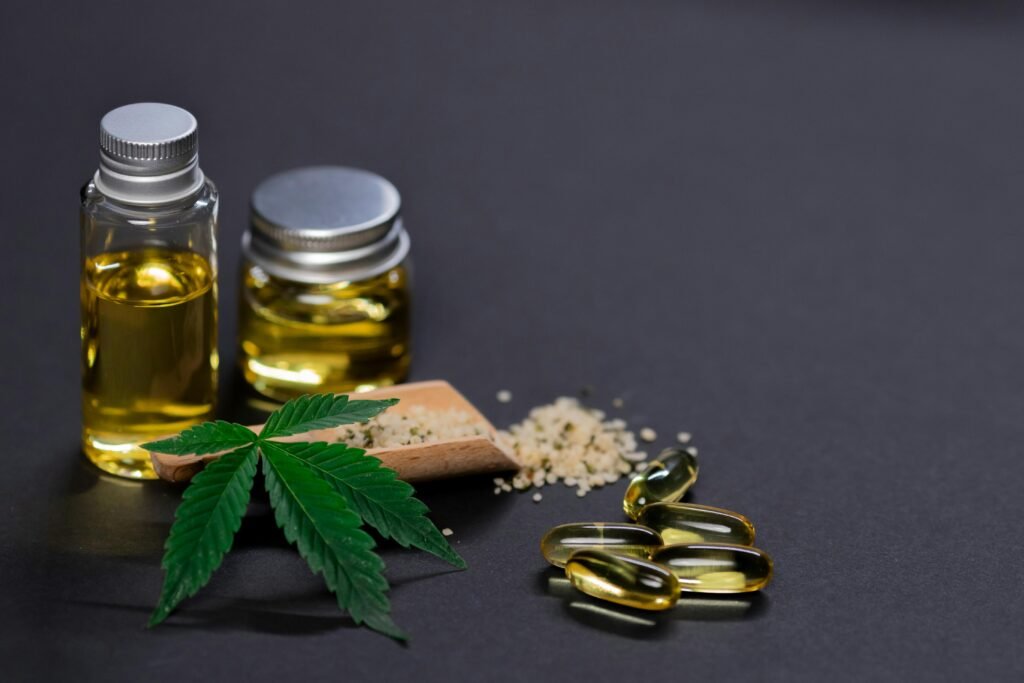
المكملات العشبية مقابل الفيتامينات الصناعية
Herbal Supplements vs. Synthetic Vitamins Are herbal supplements more effective than synthetic vitamins? Learn how nature’s pharmacy provides clean, bioavailable health solutions. When it comes to boosting health and filling nutritional gaps, many people turn to dietary supplements. But there’s a growing debate between herbal (natural) supplements and synthetic vitamins. Which is more effective, safer, and better aligned with your body’s needs? What Are Herbal Supplements? Herbal supplements are made from plant extracts, roots, leaves, seeds, or flowers. They’re often used in traditional medicine systems like Ayurveda or Traditional Chinese Medicine (TCM). Common examples include turmeric, ginseng, ashwagandha, and echinacea. ✅ Derived from natural sources✅ Often contain additional beneficial compounds like flavonoids and antioxidants✅ Usually have centuries of traditional use backing their benefits What Are Synthetic Vitamins? Synthetic vitamins are made in labs and designed to mimic natural nutrients. These are what you usually find in most over-the-counter multivitamins. ✅ Easier to produce and standardize✅ Available in higher doses✅ Often more affordable than herbal alternatives Why Many Prefer Herbal Supplements 🌿 Holistic Benefits: They don’t just offer vitamins—they also provide enzymes, minerals, and phytonutrients. 🌱 Better Absorption: Nutrients from whole plants are usually easier for the body to absorb and utilize. 🔄 Synergistic Action: Natural compounds often work together to boost effectiveness. When Synthetic Vitamins May Be Useful In clinical deficiencies (e.g., B12 for vegans, Vitamin D in winter) When exact dosing is needed For short-term, targeted health concerns Final Verdict There’s no one-size-fits-all answer. Herbal supplements are often gentler and more holistic, making them ideal for long-term wellness. Synthetic vitamins may be useful for specific, short-term deficiencies.
المكملات العشبية مقابل الفيتامينات الصناعية قراءة المزيد »

 AR
AR  EN
EN